
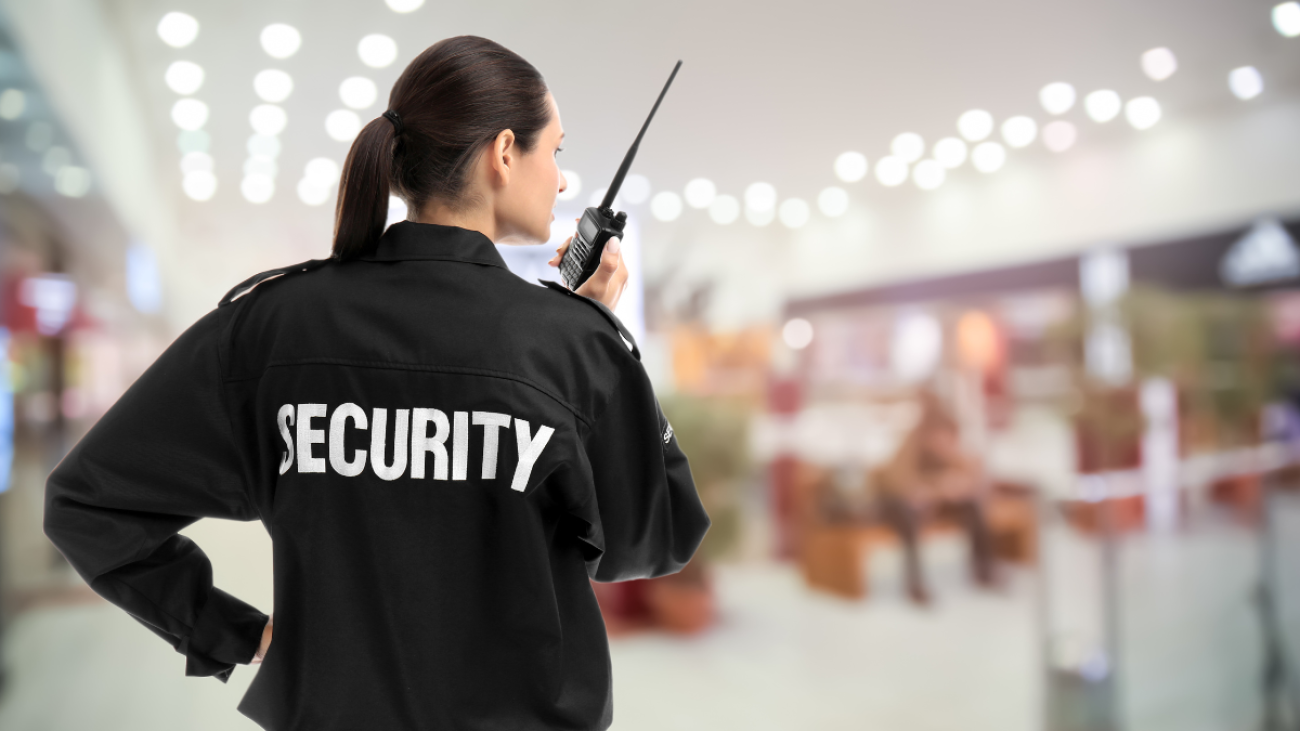
Security of events is an important aspect of planning and managing any public and private events of any magnitude. Concerts, conferences, exhibitions, festivals, and corporate functions are events where large numbers of people come together, they have goods of high worth, and the logistics are usually complicated. Event security aims to secure the safety of the participants, employees, entertainers, and facilities as well as ensuring order and law. A structured security strategy creates a secure situation and enables the events to run smoothly.
Significance Of Organized Security Planning.
Basically, successful event security commences with good planning and risk assessment. The challenges in each event are unique depending on the size of the venue, profile of the audience, time and activities. Security planning tries to establish the possible risks like over-crowding, unauthorized access or in case of an emergency. Preplanning enables security teams to use resources effectively, minimize weaknesses and improve safety, as a whole.
Flow Control And Management of Crowds.
Among the most significant roles in the area of event security is the need to control crowds. Big crowds need to be transported in order to avoid overcrowding, stampede, and mishaps. The queues, points of entry, exit, and densely populated areas are controlled by security personnel. The management of crowd flow is beneficial to the comfort and safety of the crowd in addition to ensuring that there is adherence to the capacity limits and regulations of the venue.
Access Control and Entry management.
Access control is necessary to control access to authorized people only. Ticket verification, credentials, and identification are performed by event security teams at specific checkpoints. There needs to be extra security measures in restricted zones including backstage zones, technical and VIP sections. Good access management can prevent an intrusion of gatecrashing and protect sensitive areas in the course of the event.
Their Responsibility as Certified Event Security Staff.
The main workforce behind the security operations in events is provided by trained security personnel. They are responsible to monitor activities, spot suspicious behavior and apply rules of events. The training is centered towards observation, communication and skills in conflict management. Professional conduct makes sure that no issues are dealt with aggressively and with efficiency in a secure but friendly environment.
EPRC Emergency Preparedness And Response Capability.
Event security is an important concern and emergency readiness is one of it. Examples of scenarios that security teams train include medical emergencies, fire hazards or sudden disturbances. Emergency plans entail evacuation routes, reunion spots and mobilisation processes. Quick and coordinated response will reduce the damage and bring order in a critical situation to save lives and property.
Securing Event Assets and Infrastructure.
Some of the events that are covered under this include sound systems, lighting, staging, digital installations among others. Event security guards ensure that these assets are not stolen or vandalized, or damaged by accident. Storage areas and technical zones are supervised by security personnel. Asset protection will guarantee smooth operations and minimise financial and operational losses.
Communication With Event Managers and Employees.
Organization of effective security of the event must closely coordinate with the organizers, staff in the venue, and technical teams. Effective communication will guarantee that security is in line with event time and events. With greater coordination, the decisions are made faster and when circumstances change, greater responsiveness is maintained. Close cooperation improves situational understanding and general control of the event.
Application Of Technologies In Event Security Incident.
The role of technology in the security of events is becoming more significant. The visibility and coordination are enhanced by surveillance cameras, communication equipment, and control access systems. Real-time monitoring enables security teams to be aware of problems on time. The combination of technology and on-ground staff will produce a multi-level security solution, which will increase the reliability and efficiency of responses.
Controlling Behavioral And Alcohol Related Risk.
The situation is also more problematic when it comes to alcohol consumption or high-energy activities. The security staffs of the event check behaviours, to ensure that there is no chaotic behaviour and disputes. Early intervention and de-escalation methods are used to ensure the safety of the environment. Behavioral risks management safeguards the attendees and maintains the reputation of the event.
Adherence To Safety Rules and Standards.
Security services in events have to be in accordance with local safety standards and venue specifications. Both the occupancy restrictions, emergency exit access, and restricted areas contribute to decreased liability. Compliance will mean that the event has fulfilled legal and safety standards to safeguard both the organizers and the participants.
Summary On the Significance of Event Security.
During events of all sizes, it is important to have event security as a method of ensuring the safety of people, property and processes. Security measures are used as a means of keeping events safe and organized through proper planning, trained personnel, crowd management and emergency preparedness. Professional event security is an important part of responsible and successful event management as events keep on increasing in scale and complexity.