Central Monitoring System

Revolutionising Safety and Oversight through Central Monitoring Systems

Residential, commercial, and industrial sectors have experienced a surge in demand for efficient and 24-hour surveillance as technology keeps evolving. The Central Monitoring Systems (CMS) have come out as an efficient tool, which provides a centralized management of security, fire alarm, access control and environment monitoring. The system will offer round-the-clock data analysis and real-time notifications, making the old model of safety and building management a reactive and technology-free procedure.

The Central Monitoring System explained

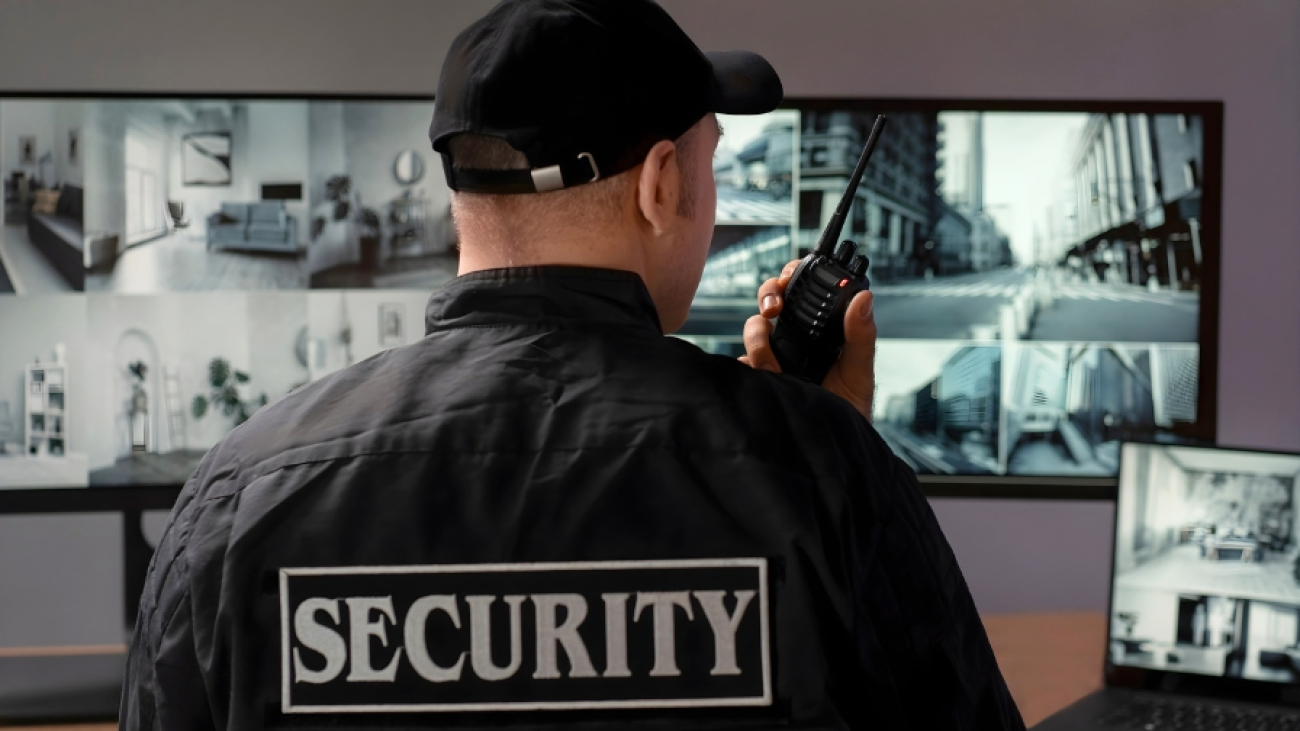
Central Monitoring System refers to a digital command centre that obtains and analyses data transmitted by diverse on-site sensors and devices. These can be CCTV cameras, intruder alarms, fire detection and environmental sensors. The essential use of CMS is to simplify the notifications and initiate rapid response in the situation of unusual activity. By collecting information in one central point operators are able to monitor many locations effectively through one screen.

Innovation of New Technologies

Some of the modern technologies incorporated into CMS platforms include machine learning, artificial intelligence, and cloud computing. These improvements enable real-time analytics, face recognition, pattern recognition and predictive maintenance notifications. Smart automation will not only minimize the element of human error but will also enhance speed of operation. This system is self-learning and self-adapting, and it will provide clearer insights and more precise threat recognition each day.

Uses in Other Industries.

The use of Central Monitoring Systems is very common in industries. In stores, CMS can monitor movement and stop theft. Patient safety alerts and environmental monitoring are beneficial to healthcare facilities. CMS is used in manufacturing facilities to provide machine integrity and personnel safety. CMS is used in commercial buildings to control access and fire detection. The flexibility of the system is appropriate to small business and infrastructures.

Real-Time Incident Response

Among the most valuable benefits of CMS is the possibility to provoke real-time reactions. In case of an unusual activity, say a fire alarm goes off, break-in, or system failure, alerts are immediately sent to the control room. Operators next evaluate the scenario and make contact with the emergency services as requisite. Such swiftness and precision in reaction can limit damage, avert losses and even save lives.

Mobile Compatibility and Remote Access

CMS flexibility also stretches to remote access whereby authorized personnel can monitor and manage systems via mobile devices, or web portals. It is especially helpful to multi-site operations or off-site facility managers. Remote viewing, control, and configuration improve the level of responsiveness and efficiency of management, irrespective of geographical obstacles.

Economy and Optimization of Resources

CMS minimize the manpower requirements on site since they automate the process of surveillance and response to alarms. This can be equated to huge savings in terms of money by the businesses and also enhance the performance of the system. It also limits maintenance requirements by identifying faults at an early stage to limit downtimes. Moreover, the consumption of energy can be also smart-regulated by means of intelligent environment controls being a part of the system.

Using Redundancy to Increase Security

CMS platforms are usually fitted with backup systems and redundancy to guarantee continued service in case of an eventuality. Failover and clouds-based storage handle power failures, system glitches, or just internet outages. These safeguards ensure non-stop operation and data preservation, which provide a reliable line of security that can be effective even under adverse circumstances.

Regulatory Support and Compliance

CMS assists companies to comply with the industry-specific regulations and legal obligations. Audit trails, incident logs, time-stamped records, etc. are important features when it comes to regulatory compliance. Answering to the data protection regulations, or answering to the occupational safety standards, CMS will offer the documentation and transparency to meet the demands of auditing, and to be in the legal position.

Scalability and Future Proofing

As organizations grow, their monitoring and security requirements change. CMS systems are constructed in a modular way, and it is simple to add extra cameras, alarms, and sensors. It receives regular updates and patches to make it suitable to the newest technologies. This scalability ensures that the system is future-proof and can be flexible with the changing operational needs and threats.

Conclusion

Central Monitoring System also signify the transformation of reactive to the proactive safety and management philosophy. Integrating intelligent devices, remote control, and immediate notifications, CMS provides better security and operating control. Its advantages are multidimensional, whether it is protecting assets, easing emergency operations and assuring compliance. With digital infrastructure emerging as a foundation of contemporary operations, CMS remains a key to success in the present and the future.

Security guard services

Ensuring Safety with Modern Security Guard Services

In an era in which there are more risks to individual and premises security, the use of professional security guard services has emerged as an important element of comprehensive security measures. Be it a residential complex, commercial premise or a public event, security guards are extremely crucial in keeping the place in order and preventing any illegal acts. Their presence increases the confidence of the stakeholders besides greatly eliminating the likelihood of criminal incidences.

The place of Security Guards in Day-to-day Functions.

Security guard services carry out diversified tasks which enable the smooth running of day to day activities. Whether it is by observing entry and exit areas, searching premises and testing surveillance equipment their job is anything but passive. They provide a visual deterrent by their very physical presence and the training allows them to respond swiftly to any emergencies, disturbances or suspicious activities. This necessitates them to be an inseparable component of any safe environment.

Significance of Trained Personnel

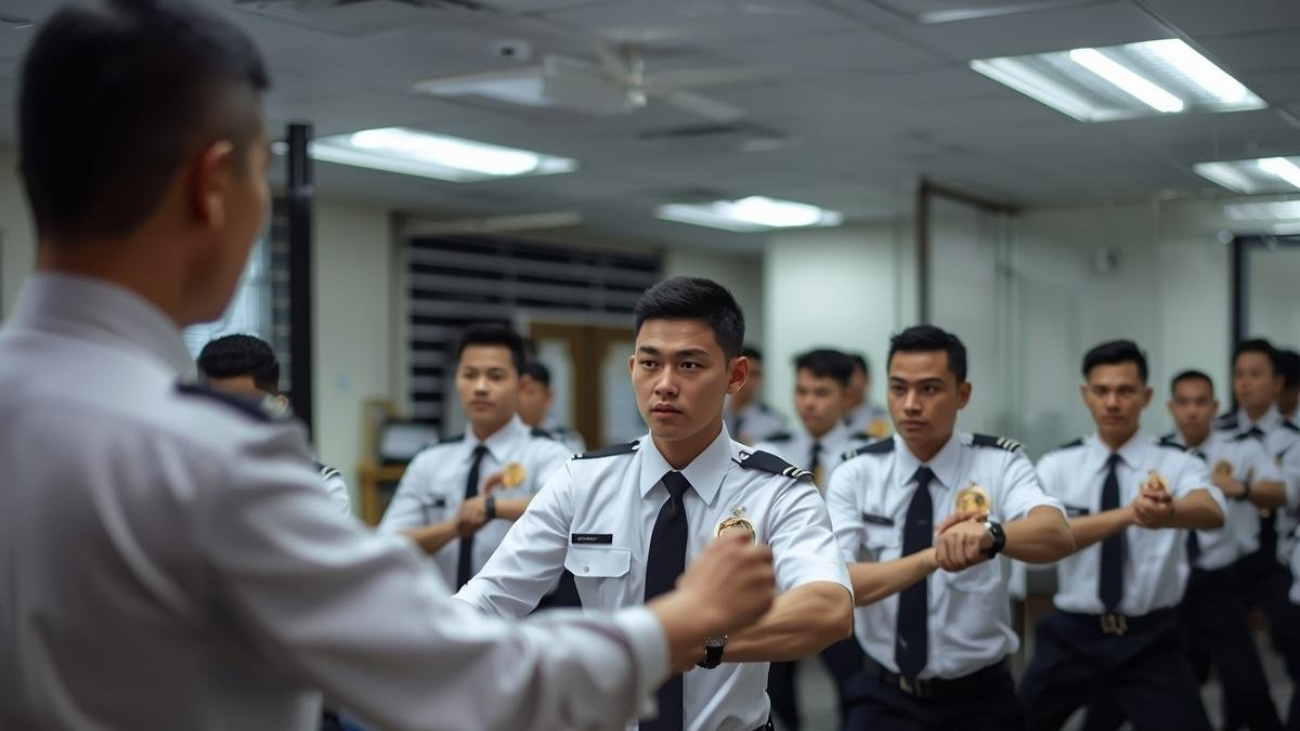
The success of any security service greatly relies on the caliber and training of its officer. Well trained guards are equipped with conflict resolution skills, first aid skills, emergency management skills and people skills (customers). Others are specifically trained to work in particular settings: retail, construction sites or medical facilities. They are trained to be able to respond professionally and calmly to a wide variety of situations, which is why they contribute to the safety infrastructure on a large scale.

The use of Technology in Security Services

The application of technology in security operations is nowadays very effective. Security guards are frequently used together with surveillance cameras, motion sensors, access control, and communication equipment. This high-tech strategy provides an opportunity to track the situation in real-time and detect threats faster. The multi-layered protection system, involving the presence of humans and digital control, can be ensured by the guards who are trained to work with these systems.

Residential and commercial uses

Security guards services fit in various environments. At residential places, there are guards that monitor the gated community, maintain a record of the visitors, and provide security to the residents both during the day or night. Guards are employed in commercial areas like malls, offices and banks to manage crowds, protect property and implement policy. This, together with their ability to adapt to varying environments, makes them a very versatile and important added element to present-day security.

Crisis Management and Emergency Response

Response to emergencies is one of the most important duties performed by security guards. In the case of fire breakouts, health complications, or security threats, their quick response can help defuse the situation and reduce the destruction. Well-trained guards are knowledgeable on evacuation plans, mock evacuation drills, and interaction with law enforcement or emergency services. Having them around gives the confidence that help is close by when required.

Customer Service and Public Relation

In addition to safety, security guards can be the first line of interaction in most places. They can be involved in welcoming guests, responding to inquiries, and managing people in a facility. These front offices deal with customers and demand a combination of attentiveness and politeness. Amicable guards who are firm utilize a positive method to the fame and hassle-free working of the premises they are taking care of.

Loss Reduction and Crime Prevention

One of the best forms of crime prevention is a visible security presence. The presence of security guards deters theft, vandalism and unauthorized access as the guards monitor the premises and patrol regularly. They are instrumental in retail settings in terms of shrinkage of inventory. They can save businesses potential losses and make shopping safer for customers by ensuring constant watch and taking measures beforehand.

Round the Clock Monitoring and Patrolling.

Constant surveillance is synonymous with professional security services. The guards are used in shifts to maintain watchfulness particularly in the risk prone areas. This constant supervision includes night patrols, inspection of alarm systems and surveillance logs. Such commitment means that threats will never be overlooked and people as well as property will have guaranteed protection without any interruptions.

Tailored Security Services

Each place requires different security solutions, and service providers package their services respectively. Depending on the circumstances, guards can be uniformed or plain clothed, armed or unarmed. Security approaches are tailored to suit the environment whether this is controlling entry into a corporate event or controlling the flow in a hospital. This malleability enables accurate, efficacious safeguarding.

Conclusion

The services of security guards have advanced to respond to the increasing needs of security in present day complex world. Whether it is traditional guarding functions, use of technology to aid surveillance efforts and crisis intervention, their roles are diverse and cannot be ignored. By having highly trained human resources, flexible plans, and around the clock preparedness, these services do not only avert incidents, but also instill the spirit of security and professionalism in any location they are involved in.

security services company

Introduction to Security Privatization

Demand for personal and property protection has been increasing in the last several decades. There has been an increasing public concern about safety and changes in public infrastructure that drive the privatization of security. With increasing frequency, households, businesses, and institutions, private security to plug the gaps left by traditional public enforcement agencies.

It has not happened overnight. With each passing time, it turns into an urbanized, technologically sophisticated, and socio-economically transformed place where there is an urgent need for customized safety solutions. Therefore, a wider network of professional security service providers has evolved with the capacity to meet an individual’s as well as an organization’s security needs.

Demand Drivers for Privatization

Several factors drive the growing demand for privatized security. Urban settlements are increasingly large and complex, areas where the incidence of dense human population is more exposed to a range of threats, including vandalism, theft, or even organized crime. Public police forces generally find it hard to manage such widespread responsibilities.

The tragedy and upheaval of resettling (or being resettled) from one place to another is part of the human story in all reputable economies; Another contributing factor has also been technological advancements. Modern surveillance today has many tools up its sleeve, including the motion detector, facial recognition software, and automated alarms, to name a few. In many cases, the expertise to roll these things out and monitor them is passed off to a professional security services company.

Scope of Personal and Property Protection

With corporate data and intellectual property now a focus, too, private security is also on the rise. Custom security models are used by banks, tech firms, and pharmaceutical companies. These services have been created and implemented by a security services company trained to carry out complex and confidential operations.

On a more individual level, this has also affected the demand for personal bodyguards and transport security. These people tend to prefer private arrangements due to the high risk of their being (or being linked with) a celebrity, political figure, or high net worth individual

Regulatory Environment and Standards

Such services are provided by companies, which most time have to be subject to some forms of training mandates, background checks, and equipment regulations. This would be useful in making sure that the security services company engages in sound business practice that is complete with integrity, professionalism, and competence.

However, there is still some way to go before we achieve uniform practices in the various regions and jurisdictions. Defects in quality variation and reliability stem from the lack of uniform policies. These concerns should be discussed further with policymakers and industry stakeholders.

Economic and Employment Impact

Privatized security has brought about economic development. The industry is a large employment generator and goes into surveillance, guarding, emergency response, and cybersecurity. Training institutions and certification bodies have also been established in the agribusiness and agricultural sectors along the way, and have upskilled the workforce.

Typically, security services companies consist of risk analysts, customer service experts, and people with knowledge of law enforcement coordination. This brings together a host of employment opportunities that further boost the overall ecosystem of safety and support, urban or rural.

There is a demand for the market in private security as economies continue to lack public infrastructure, especially in developing economies. Private investment in security, therefore, has become an important pillar in the national development frameworks.

Criticisms and Concerns

The argument has been that these services are not equally available to all. The poor and marginalized depend on overloaded public systems, while the rich and business can afford higher levels of protection for themselves.

At the same time, it has come under fire for failing to be transparent, abusing force, or not being properly supervised. Legal systems must be clearly defined under which every security services company must operate, respecting human rights principles.

Accountability, regular audits, and open books can prevent this. Public confidence in the reputation depends upon ethical conduct and the industry.

Conclusion

The privatization of personal and property security is consistent with social needs and limitations of public resources of public safety systems. That is not to say that it’s without challenges: In fact, the industry has developed new approaches for safety and operational simplicity. As urban and digital landscapes become more global, so will urban and digital security; It will become a critical vehicle integrating public and private entities in the future of global security.

Nonetheless, the fact remains that the security services company has a great role to play as a security service. “The partnership between public and private players over the urban landscape and digital networks will determine the future of global security.”

security guard

Understanding the Types of Private Security Companies

Protection across residential, commercial, and industrial sectors relies to a great extent on the private security industry. As demand for safety grows, various types of private security companies crop up to meet the specific protection needs. Depending on the services they provide, their specialization, and operating scale, these companies can be of varied nature. Trained personnel and advanced security technologies have been utilized for each type to meet certain client requirements.

Manned Guarding Services

One of the oldest and most widely recognized forms of private security is manned guarding companies. A main service of theirs is the physical application of their trained staff, who handle access control, monitoring of premises, and responding to threats. These services are deployed in malls, offices, hospitals, and gated communities. If security guards are used in such setups, their role would be to maintain order and provide some visual deterrence.

They typically hire personnel with physical endurance, alertness, and professional training. It is often supported by advanced surveillance, barricades, and communication devices. Some firms operate exclusively in static guarding of limited areas, and some others provide mobile patrolling services that cover wider areas.

Event Security Providers

Event security companies are in the business of providing protection at public or private gatherings. The concert, a festival, a conference, or political rally, or a sporting event goes on the list. Some of their main jobs involve managing large crowds, screening entrants, dealing with emergencies, and securing the perimeter of buildings they guard, among others.

Some providers can be involved in small local events, and others in large national or international events, which require coordination on a mass level and other elaborate planning. They seek to protect beyond physical protection to cybersecurity, intellectual property, and risk mitigation. There are providers that are tailored to smaller local events, and on the other hand, there are those who are able to take care of national or even international events, which require a lot of coordination and planning initially.

Corporate Security Firms

Corporate security firms meet the needs of business establishments such as multinational corporations, data centers, and financial institutions. Also, based on this goal, intellectual property protection and risk mitigation are far beyond physical protection to defend from cybersecurity attacks. These scenarios may involve a security guard in controlled access, employee screening, and surveillance of sensitive areas 24/7.

Such companies invest in an integrated system consisting of manpower integrated with technological tools like biometric scanners, intrusion alarms, and closed-circuit television (CCTV). Home, apartment, gated community, and other residential security companies focus on protecting homes. Most of the firms offer custom-designed solutions, depending on the client’s industry type and their specific risk profile.

Industrial and Construction Site Security

Large open areas that are hard to monitor are what industrial and construction security companies are tasked with securing. These can be valuable materials, heavy machinery, and sensitive data on these sites. Surveillance, equipment monitoring, and access control services for workers and vehicles are provided.

Typically, these firms employ specialists trained for handling hazardous environments. In this respect, a security guard might have to be in charge of worker safety, theft prevention, and compliance with safety regulations. The standard protocol also includes regular inspections and incident reporting.

Maritime and Aviation Security Firms

There are also companies that specifically deal with providing security in the maritime and aviation industries. These ports, airports, cargo ships, and vessels are included. They provide services that address threats like smuggling, piracy, terrorism, and unauthorised access.

Technology-Driven Security Solutions

Some of the private security companies specialize in deploying technology-based solutions. The others are surveillance systems, drones, access control devices, and cybersecurity tools. They usually work along with manned guarding or alone as a protective measure.

Due to the rapid progress in artificial intelligence (AI) and data analytics, it is now possible to analyze anomalies and potential threats in real time. While such companies don’t necessarily deploy a traditional security guard per se, their participation in the overall safety strategy is imperative.

Conclusion

The private security domain is highly diversified in terms of the multiplicity of domains in which the private security companies operate. The aim of this research was to show that the different shapes serve a specific role for a threat level and an environment. The method through which this is accomplished is whether through a physical security guard or some form of advanced surveillance system, the goal remains the same: safety, preventing loss, and order. As concerns for security mount worldwide, these companies are shaping and adjusting to new demand.

K9 dog

The Vital Role of K9 Dogs in Security and Protection Services

Service or working dogs (K9 dogs) are specially trained canines which are used in aspects of safeguarding, law enforcement and security and public safety. They are carefully selected and trained intelligent animals to perform highly specialized tasks like sniffing drugs, explosives and tracking suspects. Due to their highly developed senses and highly obedience skills, they serve as reliable partners in such critical operations. Long, their use expanded into more numerous roles, such as policing beyond tradition.

Detection of Explosives and Narcotics in High-Risk Environments

The K9 dog unit is one of the most commonly used in the detection of illegal substances and explosives. They are able to identify trace scents and trace odours that humans or machines cannot determine. K9s prevent the transport of dangerous items whether they are in airports, border checkpoints or public spaces. They are both a preventive and an investigative asset since they can warn handlers to hidden threats but not the public.

Search and Rescue Missions in Natural or Urban Disasters

K9 dogs are used to locate missing or trapped persons in natural disasters or large scale emergencies. Of course, they can smell the scent of humans, even if we foil ourselves with rubble or dense terrain. These dogs dramatically improve the amount of survival for those affected in both wilderness and urban settings. Since they are so understandably agile and have long endurance as well as a really fast response it is imperative that they are present in time sensitive rescue operations after floods, earthquakes or accidents.

Sealing and Search Area for crowd Control and Area Security

Crowd management and patrolling secured premises are also done with K9 dogs. Their presence regulates large groups in the public events, protests, or in high security zones. Trained to intimidate but not aggressively so as to deter any conflict with the intended prey, these dogs are the ones. In restricted areas, they help in checking unauthorized intrusions as well as maintaining order. It is because of this dual function of deterring and pointing out, they are efficient to secure the environment and reduce risks.

Tracking and Apprehending Fugitives or Missing Persons

K9 units place high value on tracking. Trained dogs can pick up human scent trails over long distances and difficult terrains and help locate rogue persons or lost persons. This is essential in criminal investigation, missing person’s cases or prison escapes. Whereas human capabilities may lag behind to as much as several hours, the dog’s tracking speed and accuracy surpasses that, which often means faster resolutions to cases that would otherwise be impossible or unresolvable.

Therapy and Emotional Support in High-Stress Work Environments

Selected K9 dogs are trained to offer comfort and emotional support to the officers, military personnel, and victims of trauma. Dogs in such high stress occupations are contributing to the mental well being of the people as it is providing a calming effect to avoid stress and anxiety. Their training includes learning signs of distress in horses and comforting behavior. In the context of intense or traumatic situations, this therapeutic role has assumed great importance for providing psychological treatment and enhancing emotional resilience among personnel.

Obedience, Loyalty, Tactical Skills as a means of Enhancing Safety

They breed some natural K9 dogs for their temperament and trainability as much as for their breed. As they are loyal, disciplined and mammalian, they make great working partners for human teams. Continuous training in obedience, agility, and tactical response is what these dogs undergo before embarking on missions. Successful operations are due to the fact that their operations were quick to be adapted and focused under pressure.

Specialized Training Programs Tailored to Each K9 Dog’s Abilities

K9 dogs are trained on a very intense and customized scheme, according to their instincts and their respective duties. These programs provide from scent detection to obedience drills, so that the dog is ready for real world scenarios. A positive reinforcement method develops trust and discipline. This training depends on the role such as (narcotics detection, tracking, search and rescue) and time spent. Because of this specialized preparation they can count on being sturdy in high pressure, inconsistent environments.

Conclusion: Recognizing the Unsung Contribution of K9 Working Dogs

Modern security and emergency operations rely still on K9 dogs. Hence, their roles range from detection, rescue, emotional support, and tactical enforcement, performing critical services that only humans cannot do as efficiently. And these are the dogs who work like bobs while exposed to dangerous and demanding work, and rewarded very little for it. As such, it is important to recognize their knowledge because it makes up the entire public safety and protection canons.

private security companies

Exploring the Role and Functions of Private Security Companies in Modern Society

The importance of such a kind of safety and protection in this modern era has brought out the need for private security companies these days. These are independent from the government controlled forces and carry out protective service to individuals, businesses and institutions. Private security companies have risen to fill the void with increasing concerns of terrorism, crime and cyber threats in both the public and private sectors. Far from traditional guarding duties, their functions have expanded well.

Offering Protection Services to Residential and Commercial Properties

Sometimes private security companies are hired to protect residential, commercial buildings, industrial sites, and retail outlets, and all the above. And they prevent theft and vandalism, and unauthorized access. The presence of security personnel with a visible, proactive approach aimed at monitoring surveillance equipment, routine patrols, and managing visit access discourages criminal behavior. These services are important, especially in high crime areas when state security resources are overstretched or underfunded.

Supporting Event Security and Crowd Management Strategies

In events open to the public, concerts, festivals, sports, private security companies are responsible to guard the public from dangers and risks. Crowd control, checking of tickets and inspections of bags, as well as attendance to emergencies are the duties of them. Staff are trained to make sure that entrances and exits are secure, disruptions are quickly dealt with. Their input reduces the workload on police forces and facilitates the smoother handling of large-scale events without the occurrence of disorder or the injury.

Guarding VIPs, Celebrities, and High-Risk Individuals with Discretion

Another really important area in which private security companies provide services is executive protection, also known as bodyguard services. They are trained to detect threats, determine safe routes, and respond to any risk it may face high-profile people. Security teams are discreet and provide strong physical protection for the political figures, corporate executives and celebrities. It is usually a blending of physical presence and strategic planning, and such a service.

Crime Prevention Through Surveillance and Intelligence Gathering.

Today modern private security firms are using advanced technology like CCTV systems, motion detectors and cybersecurity tools. With these technologies, it is possible to monitor in real time, and to report incidents. If regular staff are not caught, they don’t feature in the training of security staff to spot suspicious behaviour and communicate with local police if required. Presence of surveillance also helps in deterring crime and also aids in investigations and strengthens the security mesh of a place.

Retail and shopping environment security enhancement

There are times when the shoplifting and fraud as well as the violent incidents that occur in retail environments find themselves depending on private security. In stores, plain or uniformed officers patrol the store and speak to customers to keep the shopping atmosphere safe. Conflict or emergency is also handled calmly by the security personnel. Their presence boosts customer confidence, curbs financial loss and keeps the retail staff more in service mode.

Providing Security Solutions to Educational Institutions and Campuses

Learning needs a secure environment, which includes schools, colleges and universities. Campus patrols of private security companies are provided, entry monitoring, and emergency preparedness training are performed by private security companies. They provide this role by shielding facilities from access by unauthorized people, and if there is any incident of violence, theft, or bullying, they will respond. School administrators work with security officers in order to establish an atmosphere that’s protective of a safe learning environment and to ensure the implementation of safety drills.

Adapting to the Secure Operational Role in Connecting Technology Innovation

Due to their increasing reliance on digital infrastructure, private security providers, especially, are adopting integrated security systems. Some of these may be biometric access controls, drones for surveillance, real time data sharing platforms, etc. Such technologies also improve efficiency, decrease the time response, and improve coordination with other security stakeholders. Today, physical and digital threats are now part of the training programs that are aimed at both physical and digital threat responses, which demonstrates the transition into the hybrid security models.

Conclusion: Evolving Role and Value of Private Security Services Today

Guard services are no longer the only service being provided by private security companies but multi companies that specialize in providing customized security solutions to different sectors. This demonstrates the expansion of society’s necessity of specialty safety precautions. These companies are doing a lot of work for keeping peace and security by safeguarding private property, managing crowds and responding to emergencies. As risks proliferate, private security will continue to serve as an important support system to public law enforcement.

central monitoring system

The Benefits and Principles of Remote Surveillance

There has been a need to invent new monitoring solutions for security concerns. Remote surveillance is an advanced method of safeguarding assets, personnel, and property. A good security operations management system has to rely on a central monitoring system. Understanding the benefits and principles of a central monitoring system & remote surveillance will assist in taking informed decisions in security infrastructure.

The Concept of Remote Surveillance

Remote surveillance suggests the use of technology to monitor places from a remote control center. This system is comprised of cameras and sensors, & communication networks, and allows real-time security updates. Advanced analytics allow for a deeper level of monitoring, whereby the detected anomalies will set off an alert when it sees abnormal activity. A well-organized central monitoring system allows for an easy and extensive surveillance.

Key Benefits of Remote Surveillance

  • Enhanced Security and Threat Prevention

One of the roles played by remote surveillance is to serve as a deterrent against unauthorized activities. The real-time monitoring makes it possible to intervene immediately, while visible cameras stop potential intruders. A central monitoring system guarantees that security officers get the instant alerts in time.

  • 24/7 Monitoring and Real-Time Response

Remote surveillance is far different, it doesn’t work in the traditional mode. The flow of data continues as a real-time threat detection. Instant alerts are triggered any time there is suspicious activity, reducing response time and cutting down on risks.

  • Cost-Effective Security Management

The deployment of remote surveillance lessens the requirements for on-site security. Human intervention is eliminated and with it the cost savings. A central security system consolidates computer resources, and helps lower operational costs and optimizes efficiency.

  • Scalability and Flexibility

Scaling of remote surveillance systems for expanding security requirements is easily done. It can easily be integrated with additional cameras and sensors without disrupting other parts of the infrastructure. It provides this flexibility in the sense that the security coverage can adapt to the changes in requirements.

  • Data Storage and Analysis

Modern surveillance systems take video and capture it, online. Storing the data in the cloud makes it easy to access it for investigation. The video analytics provide a central monitoring system with deep insights of the events and assets to assist in security assessments and operations improvements.

  • Legal Compliance and Accountability

By the supervision system, the organizations comply with the industry regulations. However, video evidence is held, which can be used to account for disputes, internal investigations, or any legal proceedings. It documents the security event for the sake of transparency and adhering to legal standards.

  • Business Continuity and Disaster Recovery

Remote surveillance is an additional improver of resilience, specifically to business continuity plans due to disruptions. The surveillance data helps the organizations to respond to incidents in terms of damage assessment and a recovery strategy. Continuity is ensured with the help of a well-constructed central monitoring system that maintains security standards during crises.

Principles of Remote Surveillance

  • Proactive Monitoring Approach

The first step is to identify security threats that may escalate. Proactive monitoring principle is a guarantee that potential risks are spotted early and preventive measures are promptly taken.

  • High-Resolution Imaging and Clarity

Threat detection is made clear and detailed via video footage. The advancement in the placement of high-definition cameras helps to clearly capture any movement accurately for security analysis.

  • Automation and Artificial Intelligence

AI-driven analytics is being used in modern surveillance solutions to detect any suspicious activities. Efficiency of the job is increased with automated alerts and pattern recognition.

  • Remote Accessibility and Control

Surveillance feeds should be for authorized personnel to access from any location. This ties security teams into cloud-based systems and mobile applications that keep security teams connected and reactive.

The Role of a Central Monitoring System in Remote Surveillance

Remote surveillance operations have a backbone, which is a central monitoring system. It merges them onto a single unified platform that can receive, monitor, analyze, & respond in real time. The coordination between security teams is enhanced in the process and the efficiency of incident management increases. 

Conclusion

Remote surveillance has changed security into a classification that comprises real-time viewing, wrongful detection, and automatic response mechanisms. A central monitoring system integration improves security management and offers fully rolled-out security and seamless operations. With adherence to certain principles, an organizational surveillance framework can be robust by ensuring safety, compliance, and operational efficiency. With the progression of technology, intelligent surveillance solutions will only continue to allow the security infrastructure to be enhanced with the leverage of such solutions, implemented in the proactive approach for risk mitigation and incident response.

unarmed security

Why Unarmed Security Still Serves with the Growing Crime Rates

In recent years, crime with firearms has increased. Concerns about public safety in commercial and residential spaces have arisen due to this alarming theme. Armed security might seem like the most efficient answer to this problem, but you cannot discount the importance of unarmed security in mitigating risks without intensifying the tensions. So, armed security itself is necessary to balance with the security strategy, without which effective security is not possible.

The Strategic Role of Unarmed Security

Unarmed security personnel act as the first line of defense in various environments. Just their presence alone can deter potential criminal activities and boost confidence. Unarmed security does not inherently have violent escalations associated with it as armed guards do. A good percentage of the threats to security do not necessitate the use of weapons but simply the requisites of vigilance, conflict resolution skill, and calm presence. This allows businesses and institutions to have security personnel trained in de-escalating techniques and managing crises.

  • Lower Risk of Liability and Accidental Harm

There are major legal and operational risks associated with using firearms in security. The misuse or mishandling of weapons gives rise to severe consequences, either due to legal disputes or the loss of public trust. These risks are eliminated by unarmed security, which is still robustly protective. Where there are armed personnel, the risk increases the higher the area is in high traffic, because the more armed personnel there are, the more this can lead to accidental discharge or unintended harm. Deploying unarmed security ensures safety protocols with less than a chance of unnecessary confrontations.

  • Cost-Effective Security Solutions

When implementing security measures, businesses and institutions have to consider cost efficiency. Another alternative to armed personnel is unarmed services, which can be an affordable option in the budget. Armed security can be significantly more expensive than you think, including armed security expenses like insurance, training, and firearms maintenance. When choosing unarmed security for long-term protection strategies, for example, security guards for event protection, this selection can strive for both reliability in presence and price feasibility.

  • Enhancing Security Through Non-Violent Approaches

Without the use of weapons, most security threats can be managed. Skilled unarmed security personnel excel in surveillance, access control, and emergency response coordination. They are invaluable because their expertise in spotting suspicious behavior and preventing the occurrence of incidents before they escalate. In another read of the sentence, unarmed security personnel are trained to use the communication, negotiation, and intervention strategies to handle disturbances in a safe and controlled environment.

  • Building Public Trust and a Welcoming Environment

Where armed security is present, this can create a feeling of fear or unease, namely in retail, in offices, or for hotels, in particular. Unarmed security allows for a welcoming environment and adherence to necessary security protocol. Spaces in which the security personnel help out without seeming intimidating are the spaces where people would feel more comfortable. Unarmed security is also chosen by businesses that place importance on customer experience as this provides them with a professional and approachable security presence.

  • Surveillance and Technology: The Method of Strengthening Security Measures

Surveillance cameras, access control, and alarm systems are united in modern security systems as they try to make the place safer. The security personnel are unarmed and manage the concepts of these technologies very efficiently so that maximum security coverage is guaranteed. The contribution of being part of the live feeds monitoring, raising any suspicious activities, and also interfacing with the law enforcement agencies teams when required enhances the security of that environment. The combination of effective surveillance and technological integration minimizes the need for use of force in most instances.

  • Supporting Law Enforcement Efforts

Unarmed security personnel work with law enforcement agencies, assisting them in addressing security concerns efficiently. They offer critical information to help law enforcement investigations by acting as the first point of contact in incidents. They take minor disturbance from police forces, a structured approach to security without overdone involvement of armed people. Unarmed security may coordinate better with law enforcement in achieving the best public safety overall.

Conclusion: The Indispensable Role of Unarmed Security

Despite the increase in armed criminal activities, the necessity of unarmed security is still strong. They are known for making that place in which they are posted a deterrent from crime, ensuring public safety in that area, and helping create a safe area with no risk of guns. Unarmed security is very cost effective, adaptable, and de-escalates obvious ingredients into a comprehensive security strategy. Their expertise in order maintenance and preventing threat through non-violent means continues to benefit businesses, institutions, and public spaces. It is a wise decision to keep investing in unarmed security as a means for sustainable and cost-effective security management.

private investigator Malaysia

Standard Operating Procedures (SOP) of a Private Investigator in Malaysia

It is important to know that private investigators serve to provide intelligence, conduct surveillance, and discover hidden truths. The profession consists of knowing a lot and behaving correctly in terms of legal frameworks and doing so is required of others in the profession. A Standard Operating Procedure (SOP) in Malaysia has a well-defined way that ensures that every private investigator Malaysia handles affairs well.

  • Case Assessment and Client Consultation

A private investigator Malaysia will first assess the case in detail before taking any case. The case must be evaluated concerning nature, scope, and legal implications. However, a consultation brings in the required information, clarifying what is to be achieved and what is expected. Preceding an investigation clearly means ensuring that Malaysian laws are complied with.

  • Planning and Strategy Development

Therefore, an investigation requires a strategic approach. Those who work with a private investigator in Malaysia will develop a customized plan for the nature of the case. Planning also involves the identification of potential information sources, selection of surveillance techniques, and legal bounds. Doing it right means proper risk assessment that prevents the execution of the project from becoming costly and gets you out of court.

  • Evidence Collection and Documentation

The foremost responsibility of a private investigator Malaysia is gathering evidence. Photographs, videos, documents, and testimonies are some evidence. To be admissible in court, it has to be adhered to legal methods. For reference in the future, time-stamped records and detailed reports need to be shown on every piece of evidence.

  • Background Checks and Research

Checking background helps obtain personal or financial records and criminal records. For instance, a bona fide private investigator in Malaysia uses public databases, legal sources, and intelligence networks to dig out correct information. In cases of employment verification, fraud detection, and personal investigations this step is necessary.

  • Interviews and Witness Statements

It adds extra information, about interviewing witnesses and sources. In Malaysia, private investigators follow professional techniques of interviewing to get reliable information. Each statement is recorded and cross-verified to the other evidence. Confidentiality of witnesses is an important ethical factor when dealing with witnesses.

  • Cyber Investigation and Digital Forensics

As digital crimes and cyber investigations have risen, cyberspace investigators in Malaysia become private investigators. Digital forensics includes tracking of online activities, data recovery, and feedback of cyber threats. This is important in identity theft, corporate espionage, and online fraud. Cyber laws are strictly followed so that the investigation process can be carried out with legitimacy.

  • Undercover Operations

Investigators must weave into environments under the cover without being detected. In Malaysia a private investigator could be anything, travel under different disguises to go into organizations, come across fraud, or gather intelligence. Planning and risk assessment are extremely meticulous for personal safety and operational planning.

  • Legal Compliance and Ethical Standards

Private investigation has core legal compliance. Therefore, a private investigator Malaysia follows the law under the Private Agency Act 1971 and other related legal frameworks. Severe penalties can follow unauthorized surveillance, data breaches, or any unlawful activities. Ethical standards help that investigative services are credible and trusted.

  • Report Compilation and Presentation

A report is to be compiled from findings at the end of an investigation. An individual in Malaysia is a private investigator but reports based on facts and evidence. The reports can be utilized in legal proceedings, corporate decisions, and personal things. The documentation that characterizes such outcomes adds to their validity and usefulness.

  • Court Testimonies and Legal Support

At times, private investigators are forced to appear in court. For a private investigator based in Malaysia, it is important to present evidence professionally and patiently answer legal questions. The case is made clearer and with credible testimonies. Knowledge of legal support is effective when accompanied by familiarity with the courtroom procedures.

  • Continuous Training and Skill Enhancement

New technologies and methods in the investigative field make themselves known. Continuous training in forensic analysis, surveillance techniques, and legal updatings is common for private investigators in Malaysia. The industry trends help in efficient processes and compliance with the latest regulations.

Conclusion

Having an SOP is very useful in terms of professionalism, legality, and efficiency in private investigations. In Malaysia, the work of private investigators is governed by a set of rules ordered to assure accurate and ethical investigation services. Conforming to these SOPs ensures reliability, credibility, and positive outcome of case resolution. A private investigator Malaysia complies with his client’s demands & uses their skills to unearth the truth and ensure proofs are presented before the relevant parties.

unarmed security guard

Prevention of Religious Gatherings with Very Strenuous Security Measures

Security is one of the aspects that most organized event management as many of these events attract large crowds either in religious gatherings or even of people. Proactive security measures should be implemented due to incidents of disturbances, unauthorized intrusions, and possible threats. Having an unarmed security guard on duty can keep peace and provide a peaceful Environment. As such, there are rising concerns about the safety of religious institutions, and thus, proper security planning becomes necessary.

  • Potential Threats Faced by Religious Congregations

The variety of threats from crowd emergencies to the threats emanating from the outside make the security challenges at religious events very high. Unruly attendees, unauthorized individuals, external disturbances, and peaceful gatherings can be disrupted. An unarmed security man serves as an integral part in the diffusing of tense situations so as to avoid increased conflicts. It is early detection of potential threats and early preventive action which is helped by trained personnel. Providing security for key entry and exit points will also enhance safety overall.

  • Religious Event Access Control Measures

Security is about controlling access to religious premises. Entrance and exit points are well defined for monitoring of the visitors but unauthorized people are kept away. An unarmed security guard at each checkpoint improves access control to the use of force. This keeps you in a secure environment by ensuring there is a check of identification, monitoring of bags, and scanning for prohibited items. Religious events are made more secure with items such as surveillance cameras and metal detectors.

  • The Role of Security Personnel in Crowd Management

Crowd management during large religious gatherings needs to be efficient to avoid chaos. They guide, manage queues, and help in smooth movement within the premises with the trained personnel. An unarmed security guard helps organize, directs people to the seating areas, and attends to their keepers. Security staff that is visible and encourages good behavior & is there to stop stampedes when high footfall events take place. Event organizers can coordinate with security teams around crowd control operations.

  • Emergency Preparedness and Response Strategies

Emergency response plans should be well-defined in religious institutions. Security handles medical emergencies, fire hazards, and potential threats efficiently. In this regard, the emergency role of an unarmed security guard consists of directing evacuees and ensuring pledges to emergency protocols. It also helps to provide more response mechanisms through collaboration with local law enforcement agencies. Security drills are regular and it’s an attempt to familiarize the security personnel with normal procedures in such situations, reducing their response time in critical situations.

  • Monitoring Suspicious Activities and Counteracting Security Breach

Early detection of suspicious behavior reduces security risks to a great extent. The security policemen are very vigilant in recognizing any unusual activities that threaten their lives. Footing an unarmed security guard who can be strategically placed actually makes monitoring more effective and can help in deterring potential intruders. Additional layers of security come in the form of surveillance cameras & on-the-ground patrolling. Quick response to emerging threats is possible only by ensuring security personnel communicate well.

  • Collaboration with Law Enforcement Agencies

Such coordination with local law enforcement helps in strengthening security measures during religious gatherings. Police during big events reduce crime activities and enhance readiness for security. Security teams should also communicate with the concerned law enforcement agency and report any suspicious activities. Security guards can not only assist with emergencies but can also be used to aid officers in real-time during emergencies. Any security breach which is not shown in your structure will be a surprise that will take later longer, depending on what happens, to correct.

  • Security in Balance with a Friendly Atmosphere

Although such gatherings need stringent and uncompromising security measures, they should at least not be cold treatment. Inappropriate security protocols may cause attendees discomfort as they may feel overly aggressive. An unarmed security guard deployment guarantees a non-spelling security appearance improving safety and does not instill fear. Security personnel are properly trained so that they can engage the situation with ample diplomacy while remaining pleasing to the security protocol. Clear communication of measures about things of that security kind will boost cooperation, and decrease misunderstandings in attending, a matter I am pleased to learn about.

Conclusion

Security of religious gatherings must not be highly specialized; it needs integration between personnel, technology, and strategic planning. By deploying an unarmed security guard, one makes sure that the environment will be free of security threats and still guarantees the sanctity of religious spaces. Overall security measures are underlined by intent to access control, emergency preparedness, and collaboration with law enforcement. Structured security protocols used by religious institutions ensure that a religious institution is a secure and welcoming atmosphere to attend.